Introduction
Cloud adoption promises agility and scalability, but it often delivers unexpectedly high bills instead. Research shows that organizations waste 30-40% of their cloud spending on idle resources, overprovisioned infrastructure, and inefficient architectures.
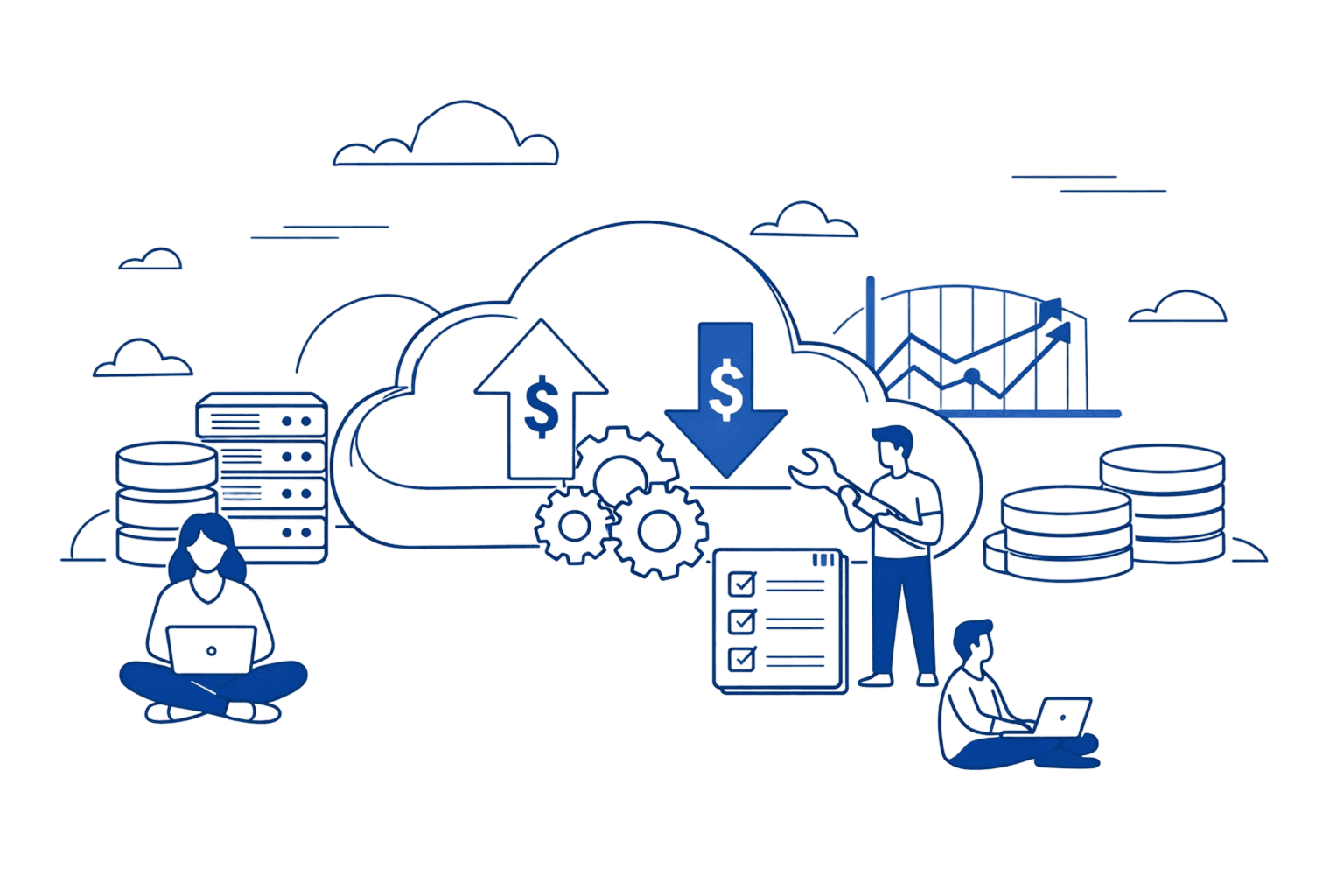
Cloud cost optimization is the systematic practice of maximizing business value from cloud investments while minimizing unnecessary expenses. It's not about slashing budgets or compromising performance. It's about running your infrastructure efficiently so every dollar spent delivers measurable results.
Key Highlights
Organizations typically waste 30-40% of cloud spending on idle resources, overprovisioning, and inefficient architectures that deliver zero business value
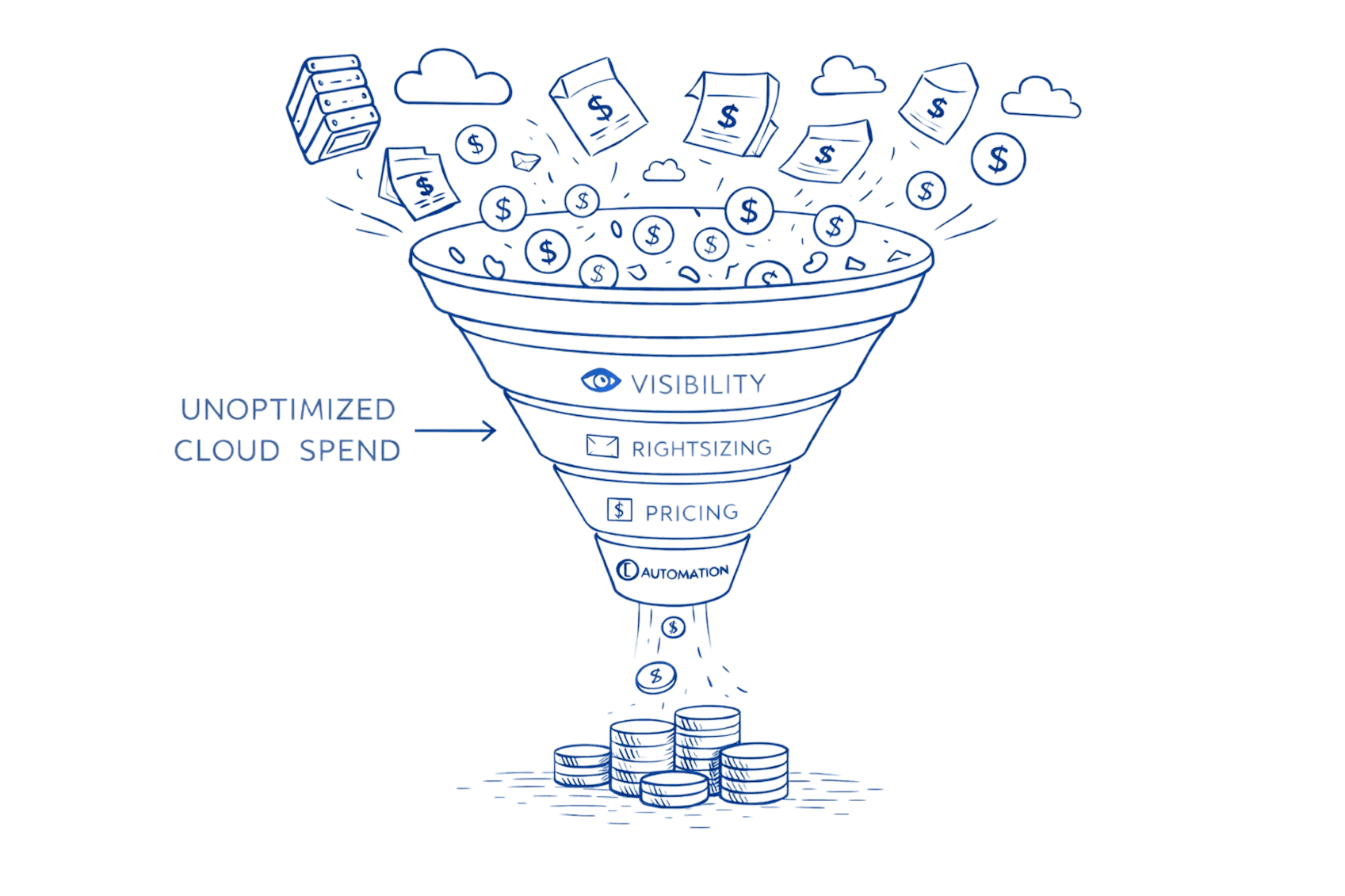
Effective optimization balances four pillars: visibility through comprehensive monitoring, governance with clear accountability, tactical resource optimization, and strategic architectural efficiency
Quick wins like deleting idle resources and scheduling non-production environments deliver 15-20% savings in 30-60 days with minimal effort
Reserved instances and savings plans provide 40-75% discounts for predictable workloads, while spot instances offer 60-90% savings for fault-tolerant processing
FinOps framework transforms cost optimization from one-time projects into continuous practice by embedding financial accountability across engineering, finance, and business teams
1. What is Cloud Cost Optimization?
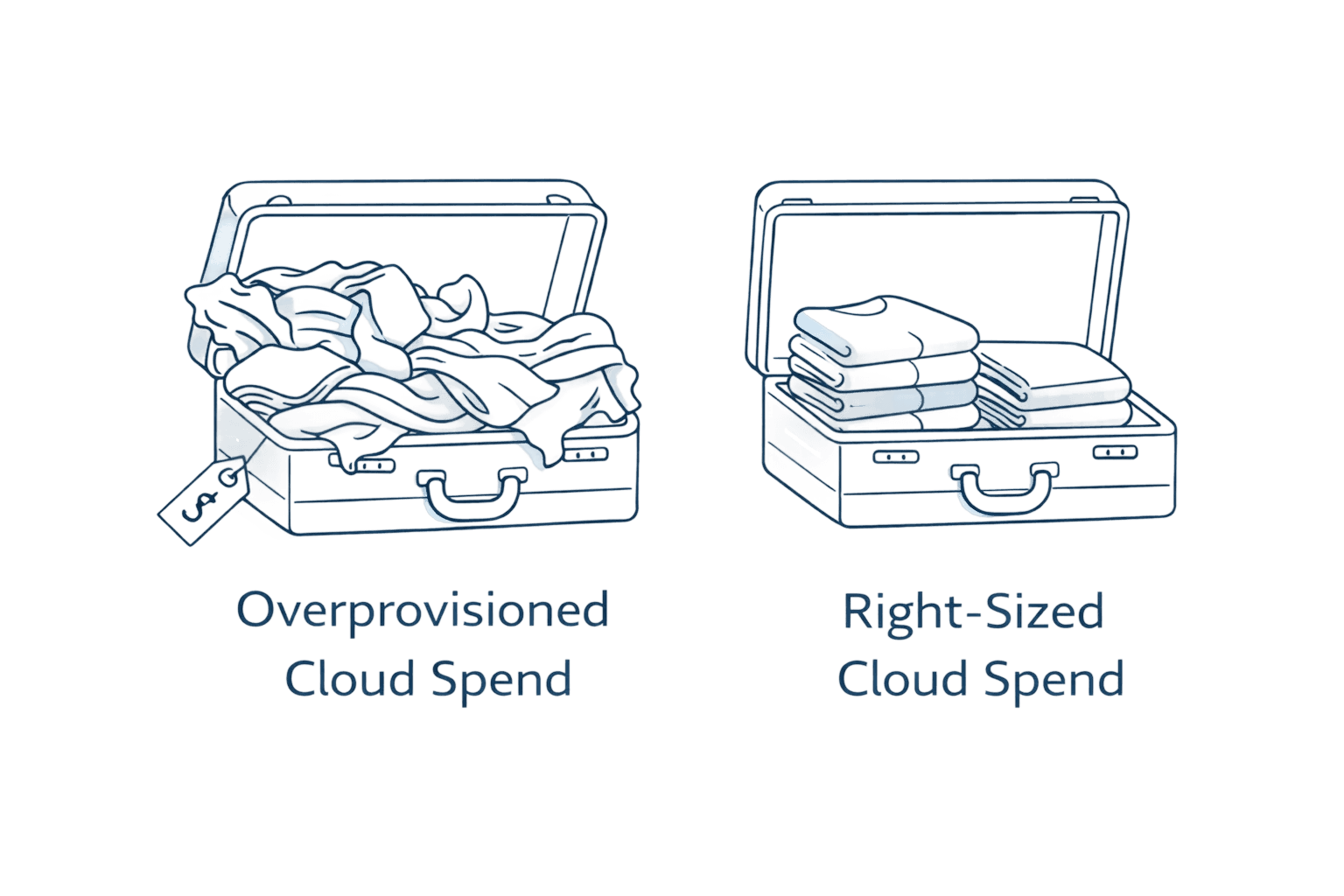
Cloud cost optimization is the continuous process of right-sizing your cloud resources to match actual business needs without sacrificing performance or reliability.
The goal isn't minimum spending. It's maximum efficiency using cloud cost optimization strategies. Three core principles define effective optimization:
Visibility: You can't optimize what you can't measure. This means comprehensive tagging, cost allocation, and monitoring across all cloud resources.
Accountability: Every resource needs an owner. Teams must see their spending in real-time and understand how their decisions affect costs.
Action: Optimization requires making changes based on data. That means rightsizing instances, deleting waste, and adjusting architectures.
Unlike one-time cost reduction projects, optimization is an ongoing practice. Cloud environments change constantly as you deploy features, scale services, and respond to demand. At a broader level, cloud cost optimization is the continuous discipline of aligning cloud spend with business value, and the metrics in this guide exist to make that discipline measurable, repeatable, and enforceable. Cloud cost optimization metrics are what make these principles operational by quantifying efficiency, waste, and accountability so teams can measure progress instead of relying on intuition.
2. Why Cloud Cost Optimization Matters More Than Ever
The financial stakes are higher than most teams realize. A SaaS company running 500 EC2 instances with 30% waste loses $15,000 monthly. That's $180,000 annually spent on resources that deliver zero value.
Unoptimized cloud spending creates three critical problems. Innovation suffers when budgets get consumed by waste. Performance degrades because overprovisioned resources mask real issues. Complexity multiplies as unmanaged resources breed more unmanaged resources.
The traditional IT approach of annual budgets and quarterly reviews fails completely in cloud environments. Costs change daily. A single misconfiguration can double your bill overnight. The 32% average waste rate cited by the FinOps Foundation isn't a technology problem. It's a visibility and process problem.
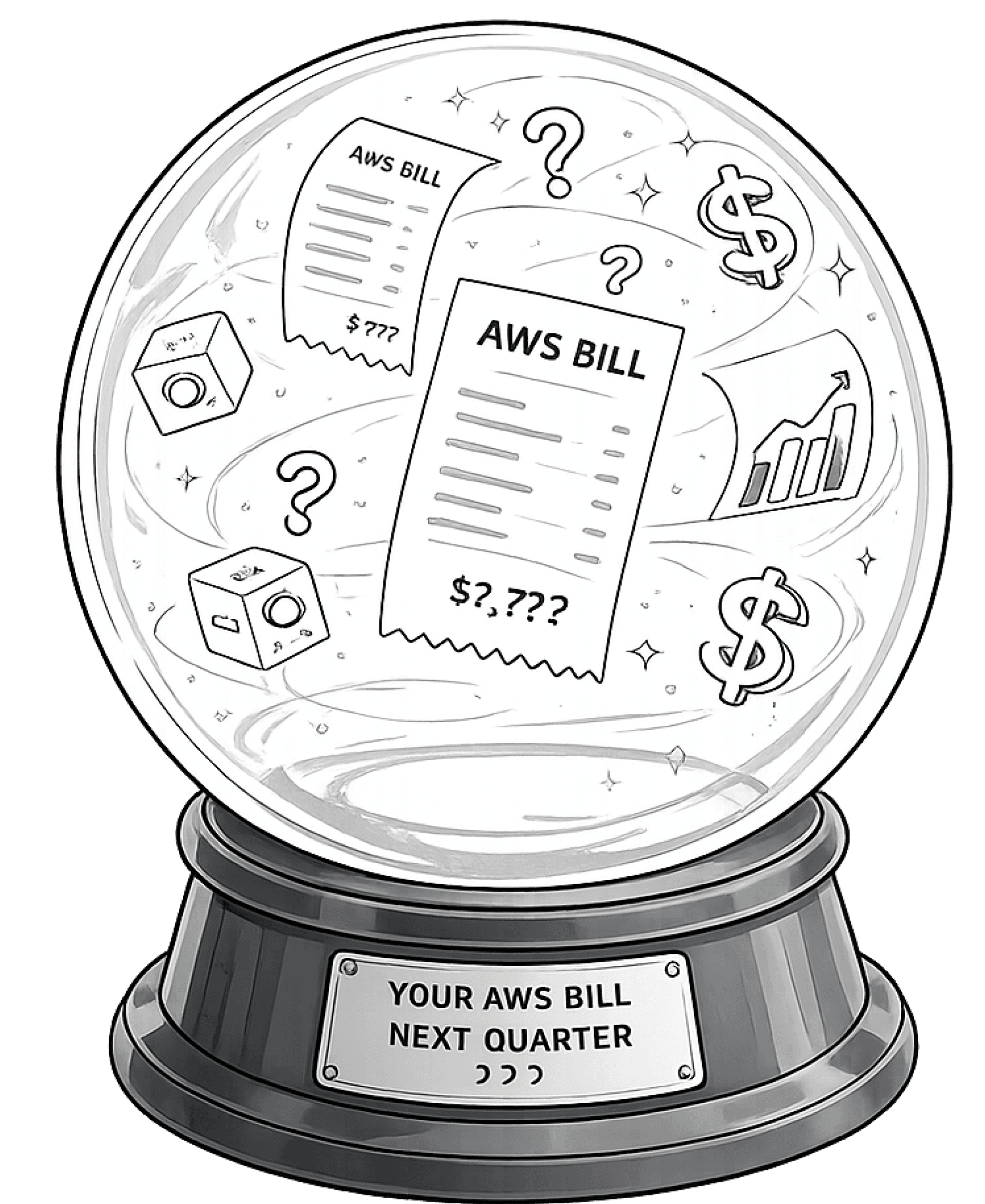
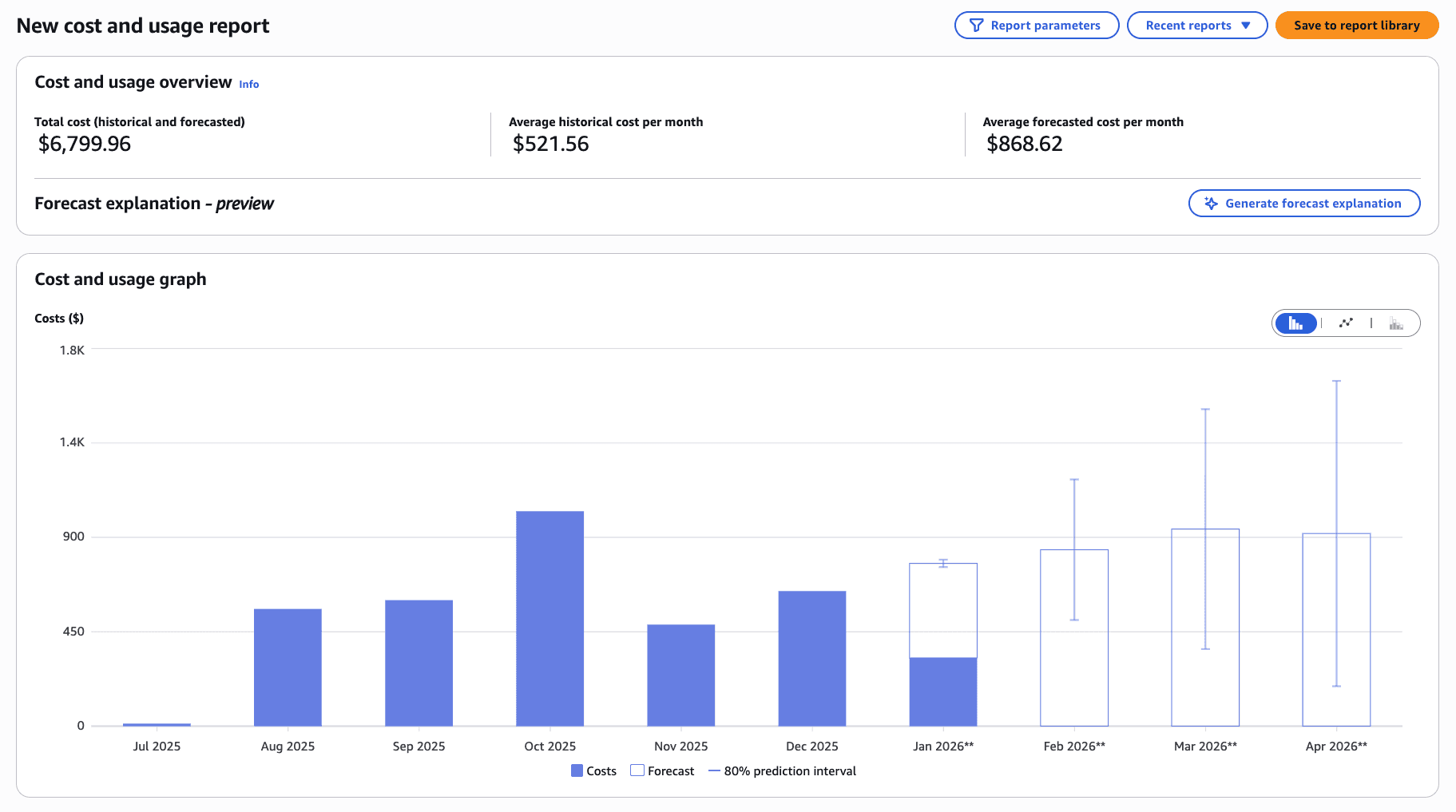
Organizations that master optimization gain competitive advantages. They deploy faster, innovate more, and scale confidently because they understand their unit economics. Forecasting cloud costs is a critical extension of optimization maturity, allowing teams to anticipate spend changes, plan commitments confidently, and prevent budget overruns before they materialize.
3. Understanding Cloud Cost Components
Your cloud bill breaks into five major categories, each with distinct optimization strategies.
Compute costs typically consume 40-60% of spending. This includes virtual machines, containers, and serverless functions. The challenge: teams provision for peak capacity but run at average utilization.
Storage costs represent 15-25% of bills but grow fastest. Object storage, block storage, and databases accumulate data that nobody deletes. Old snapshots and abandoned buckets create silent cost creep.
Networking costs are the most surprising. Data transfer between regions, internet egress, and load balancer fees add up fast. Processing data in one region and storing it in another creates persistent transfer charges. S3 cost optimization is especially impactful here, as missing lifecycle policies, oversized storage tiers, excessive snapshots, and long-retained logs quietly compound into significant long-term waste.
Managed services offer convenience but cost more than self-managed alternatives. An oversized RDS instance running at 20% CPU wastes 80% of what you're paying.
Hidden multipliers compound everything. Unused elastic IPs, NAT gateways, and idle load balancers seem small individually but add thousands when they accumulate.
Cost Component | Typical % of Bill | Primary Waste Driver |
|---|---|---|
Compute | 40-60% | Overprovisioning |
Storage | 15-25% | Retention policies |
Networking | 10-15% | Architecture |
Managed Services | 10-20% | Oversizing |
Other | 5-10% | Forgotten resources |
4. Common Causes of Cloud Cost Waste
Six waste patterns account for most unnecessary spending.
Idle resources are running but unused. Development environments left active overnight, load balancers serving zero traffic, databases with no connections. Look for instances with under 5% CPU utilization for 7+ days.
Overprovisioning means paying for capacity you don't need. The engineer who selected an 8xlarge instance "to be safe" when a 2xlarge would suffice. Look for CPU utilization consistently below 40% and memory usage under 50%.
Unoptimized storage accumulates because nobody deletes anything. Old snapshots from testing, logs stored in hot storage tiers forever, backups kept years beyond retention requirements.
Inefficient data transfer happens when architecture doesn't consider network costs. Processing data in one region that lives in another creates unnecessary charges.
Zombie resources are forgotten experiments and abandoned projects. The POC that ran six months ago but never got cleaned up. Look for untagged resources and resources owned by former employees.
Missing commitment discounts cost more than you think. Running predictable workloads on on-demand pricing when reserved instances offer 40-75% discounts. Organizations typically have 30-40% of compute running at steady state that qualifies for reservations.
5. 10 Proven Cloud Cost Optimization Strategies
These tactics work across AWS, Azure, and GCP. Start with quick wins, then tackle strategic initiatives.
Rightsize overprovisioned resources. Analyze utilization metrics and downsize instances that run below 40% CPU and 60% memory. Expect 20-40% savings on rightsized resources.
Implement intelligent autoscaling. Let infrastructure match demand automatically. Proper autoscaling reduces compute costs by 30-50% for variable workloads.
Leverage spot instances for fault-tolerant workloads. Use spot for batch processing, CI/CD, and data processing. Spot instances cost 60-90% less than on-demand.
Purchase reserved instances for steady-state workloads. Commit to 1-3 years for resources running 24/7. RIs offer 40-75% discounts.
Delete idle resources immediately. Set automated policies: unattached volumes deleted after 7 days, stopped instances terminated after 30 days. Expect 10-15% cost reduction from waste elimination.
Implement storage lifecycle policies. Move infrequently accessed data to cheaper storage tiers automatically. Apply to logs, backups, and compliance archives for 50-90% storage savings.
Optimize data transfer patterns. Keep processing and storage in the same region. Use CloudFront/CDN for content delivery. Network costs can drop 40-60% with architectural changes.
Set up cost anomaly detection. Enable native anomaly detection to get notified within 24 hours when spending deviates from normal patterns, not 30 days later when the bill arrives.

Implement comprehensive tagging strategies. Require tags for Environment, Owner, Application, CostCenter, and Project. Proper tagging enables every other optimization strategy.
Schedule non-production environments. Development and test environments don't need 24/7 operation. Schedule them to run business hours only and save 70% on non-production compute immediately.
6. The FinOps Framework: Building a Culture of Cost Awareness
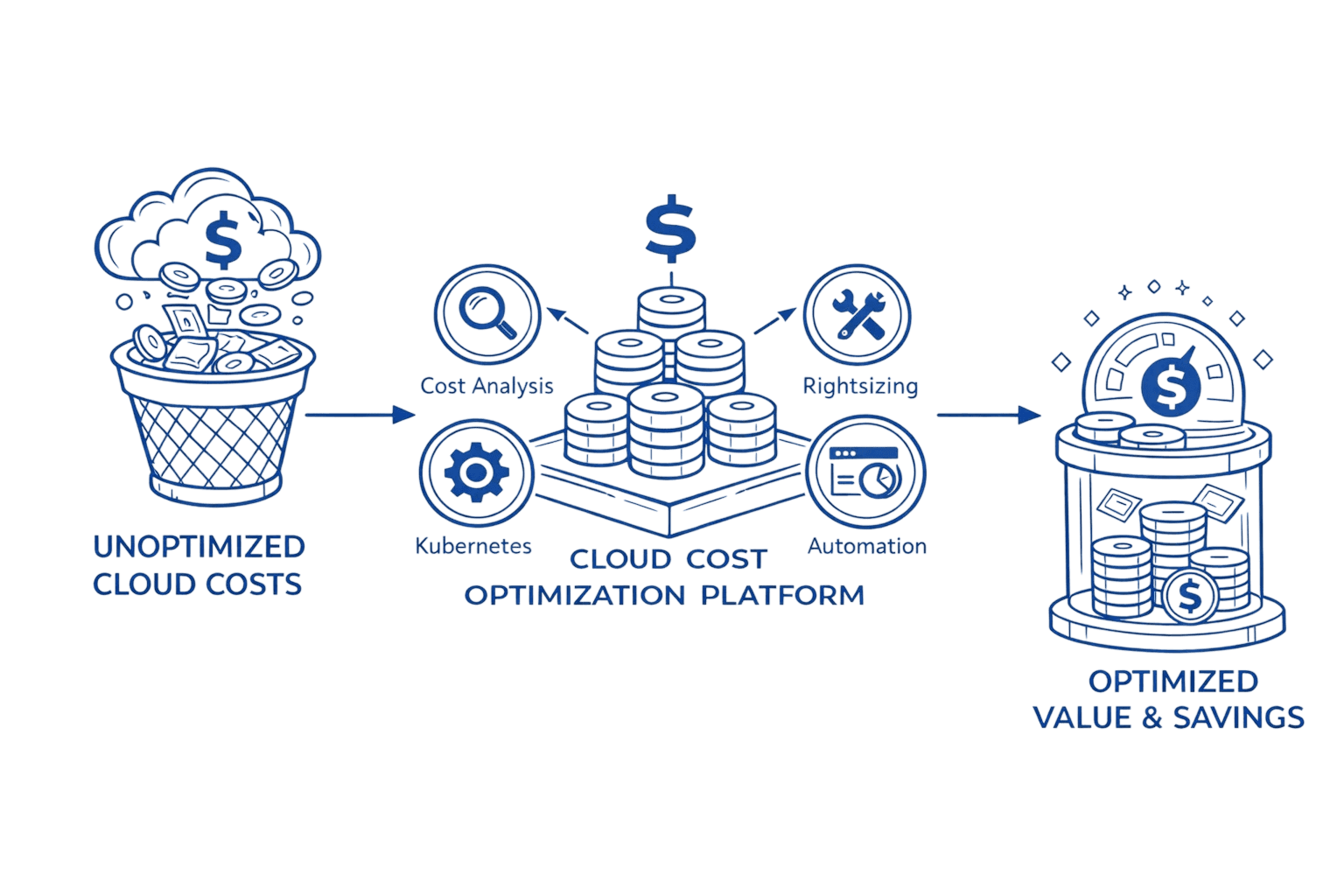
Technology alone won't optimize costs. You need organizational change. Cloud cost optimization tools enable FinOps teams to execute this lifecycle at scale by automating visibility, surfacing optimization opportunities, and enforcing governance across engineering and finance.
FinOps brings together engineering, finance, and business teams to manage cloud spending collaboratively. The FinOps lifecycle has three phases that repeat continuously:
Inform: Create visibility into spending with real-time dashboards showing costs by team, application, and service.
Optimize: Identify and implement cost savings opportunities. Engineering rightsizes resources, architects redesign inefficient data flows, and procurement negotiates better rates.
Operate: Make optimization continuous by embedding cost awareness into daily workflows. Engineers see cost estimates in deployment tools, and managers review team spending weekly.
Organizations mature through three FinOps stages: Crawl (basic visibility and monthly reviews), Walk (automated policies and proactive optimization), and Run (fully embedded cost culture with continuous improvement).
The key cultural shift: cost becomes everyone's responsibility, not just finance's problem.
7. Cloud Cost Optimization Across AWS, Azure, and GCP
Each major cloud provider offers native tools for cost management.
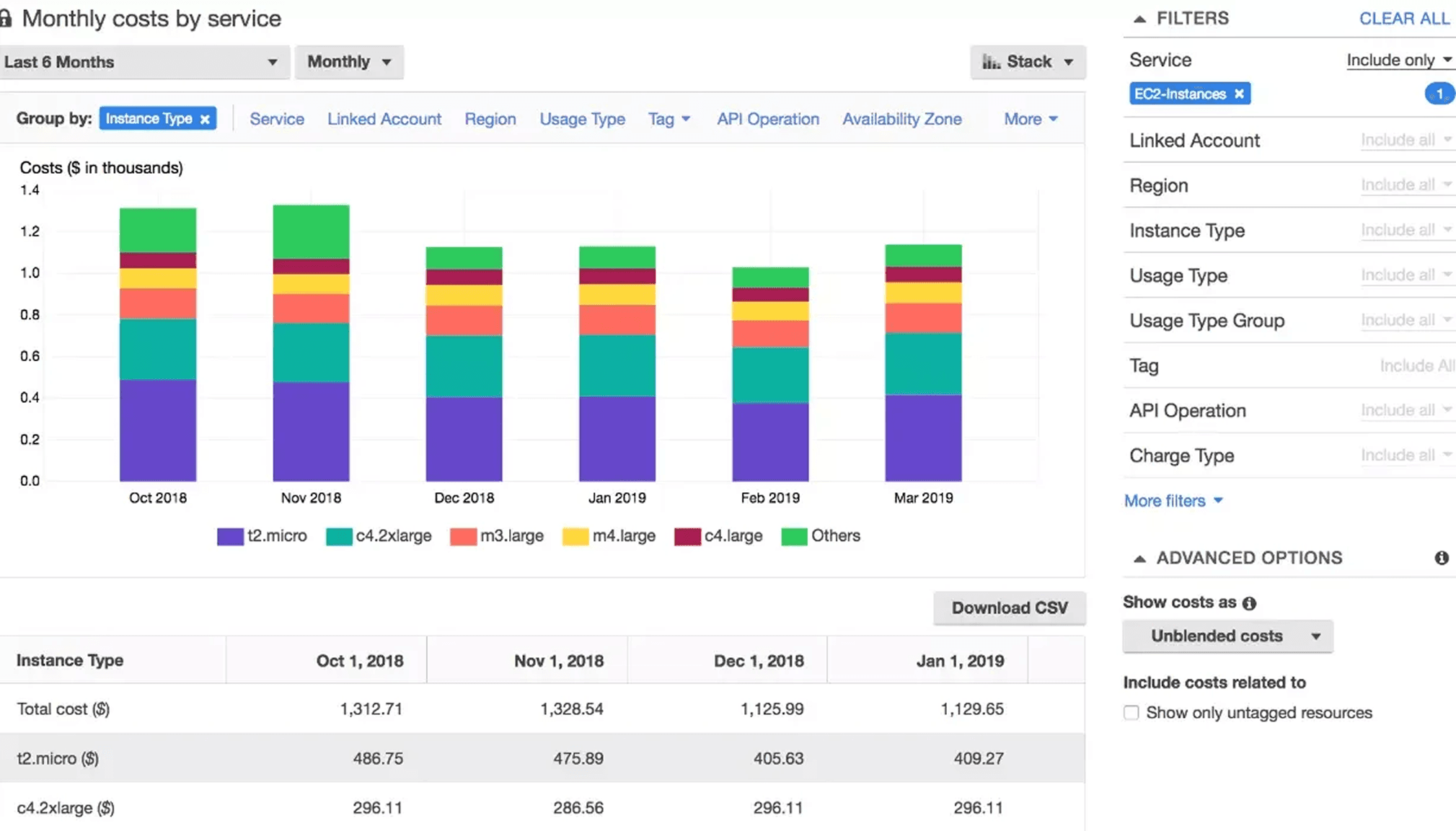
AWS provides Cost Explorer for visualization, Compute Optimizer for rightsizing recommendations, Cost Anomaly Detection for unusual spending patterns, and Trusted Advisor for optimization opportunities.
Azure offers Cost Management + Billing for budgets and analysis, and Azure Advisor for personalized recommendations across cost, security, reliability, and performance.
Google Cloud features Cloud Billing Reports for spending visualization and Recommender for optimization suggestions like idle VMs and underutilized persistent disks.
Multi-cloud environments need unified visibility and consistent tagging strategies. Native tools don't communicate across clouds, so third-party platforms become valuable for organizations managing multiple providers
8. Implementing Your Cloud Cost Optimization Roadmap
Here's how to actually implement optimization in your organization.
Phase 1: Assessment & Baseline (Weeks 1-2). Document current spend, enable comprehensive tagging, set up billing alerts, and identify low-hanging fruit like idle resources and oversized instances.
Phase 2: Quick Wins (Weeks 3-6). Delete obvious waste, schedule non-production environments, rightsize the most oversized resources, and implement basic lifecycle policies. These typically deliver 15-20% cost reduction.
Phase 3: Strategic Initiatives (Months 2-6). Implement autoscaling, purchase reserved instances, redesign data flows to minimize cross-region transfer, and adopt serverless for appropriate workloads. These deliver another 15-25% savings.
Phase 4: Continuous Optimization (Ongoing). Hold weekly cost reviews, automate waste detection, include cost implications in architectural reviews, and track unit economics as product metrics.
Common pitfalls to avoid: optimizing without measuring, pursuing perfection instead of progress, and treating optimization as a project instead of a practice.
FAQ
Q: What's the difference between cloud cost optimization and cloud cost management?
A: Cloud cost management tracks and reports spending. Cloud cost optimization actively reduces waste and improves efficiency while maintaining performance. Management gives you visibility; optimization gives you results.
Q: How much can organizations typically save through cloud cost optimization?
A: Most organizations reduce spending by 30-40% through systematic optimization. Quick wins deliver 15-20% savings in the first 30-60 days. Longer-term improvements yield another 15-25% reduction.
Q: Won't optimizing costs hurt application performance?
A: Proper optimization improves the cost-to-performance ratio without degrading service quality. The goal is eliminating waste, not starving applications. Rightsizing and autoscaling often improve reliability.
Q: How often should we review and optimize our cloud costs?
A: Implement continuous monitoring with automated alerts. Conduct tactical reviews weekly, strategic architecture reviews quarterly, and annual deep-dive assessments.
Q: What are reserved instances and should we use them?
A: Reserved instances are commitment-based discounts offering 30-75% savings for predictable workloads. Use them after establishing baseline usage patterns through several months of data.
Conclusion
Cloud cost optimization isn't a one-time project. It's an ongoing practice that requires visibility, accountability, and action.
Start with quick wins to build momentum. Implement tagging and monitoring. Enable anomaly detection. Schedule weekly cost reviews. Within six months, you'll have reduced costs by 30-40% while building a culture that prevents waste from returning.
Ready to identify optimization opportunities in your cloud environment? Schedule a cloud cost assessment with Opsolute to discover where your biggest savings hide.